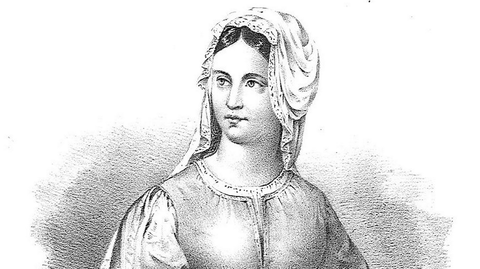
She was a pioneer in the field of hygiene and prevention: the prescription of healthy and varied food, exercise and body cleansing were the bases of all her treatments, even before herbal remedies or surgical practices. With her great feminine sensitivity, she knew how to devote herself to the study of gynecological and obstetric women’s problems without moralizing, also dedicating herself to the treatment of the causes of infertility; she was the first to consider the possibility that infertility could depend on causes related to men and not women. She used to treat her patients with minimally invasive techniques, such as massages, herbal baths and compresses, but she was also a capable surgeon: the possibility of intervening with the suturing of the perineal areas in case of laceration, apparently were one of her intuitions with the which saved the lives of many women in labor.
He was able to combine his passion for his job and his private life, in fact he married a well-known doctor of the time, or Giovanni Plateario; from their union two children were born: Giovanni Plateario the Younger and Matteo, who followed in the footsteps of their parents becoming talented doctors.
But what makes the figure of the mythical Trotula even more current and modern, is not only her dedication and professional achievements, nor the ability not to neglect private life, but her not to give up being feminine and cared for in any case In fact, he was among the first scholars to dedicate research and publications to the creation of cosmetic remedies.
It should be borne in mind that at the time beauty had a profound value, it was part of the need to have a body that was in full harmony with the natural philosophy; nevertheless, not many people devoted scientific treatises to it. The “De ornatu mulierum” of Trotula is the first text of which we have news that proposes recipes for the cleaning and care of the skin and hair, describes types of massages for the well-being and beauty of the body and even collects different recipes of types of soap to use for different parts of the body.
Trotula was much loved by contemporaries, who turned to it with confidence for any kind of ailment. One of the peculiarities that made it known enough to make it almost into the myth, was to propose remedies within everyone’s reach: most of the plants and preparations that he recommended as a cure, could be easily found in the Salerno countryside or by purchasing them low price. Finally, medicine was not only reserved for nobles and wealthy, but became, for the first time, universal.