


The monastic complex of San Giorgio has very ancient origins, the first documents found that speak of its existence date back to 819 AD. Initially it was a small settlement of Benedictine nuns, which over the centuries expanded to become a real convent dependent on the bishop of Salerno. The original structure is typical of Lombard architecture, the venerated saints were warrior saints: San Giorgio and San Michele: the sensitivity of the time perceived them as effective defenders not only against the dangers of the devil, but also against enemies in war. During the period in which the young princess Sichelgaita lived, the monastery was a lively cultural center, which housed in addition to the Benedictine nuns, also the girls of the eminent families of the city, to educate them and teach them not only to read and write, but also to deepen knowledge of Greek and Latin classics, of theology, of sciences. In the monastery there was an infirmary, where lay doctors also worked and where girls were taught recipes and techniques of herbal medicine and medicine. Here the princess was formed, and the famous Trotula, as a teacher and doctor, seems to have passed through here. The beautiful church remains of the ancient monastic complex, albeit considerably remodeled in the Baroque era.
Monastery of San Giorgio
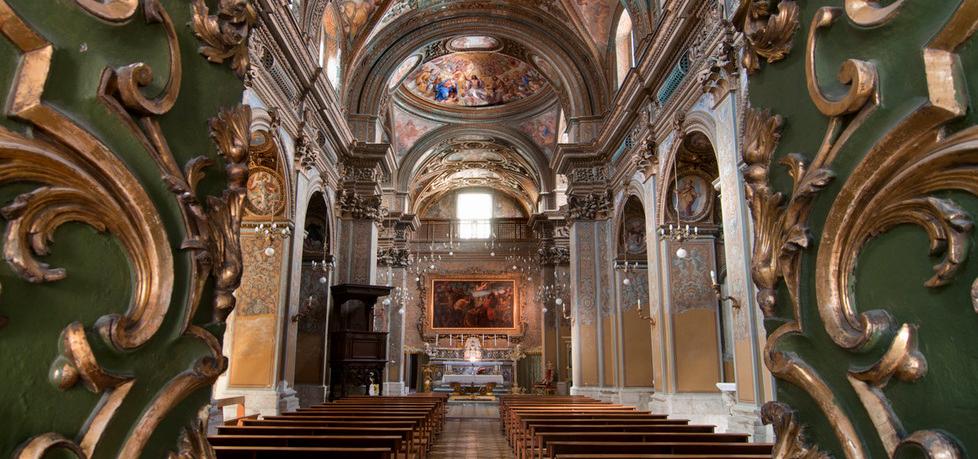
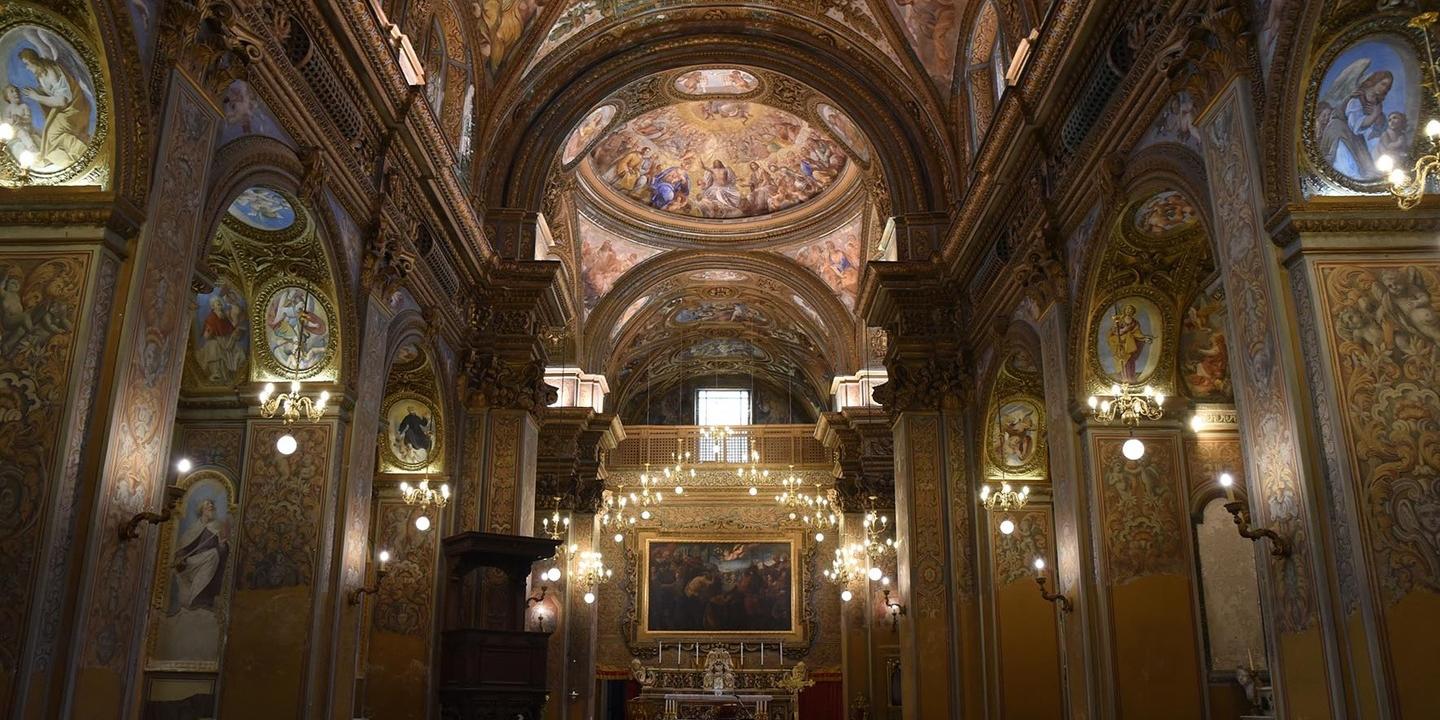
It is still possible to realize what the princess had to see when she went to church for prayer, thanks to a mechanical system created at the end of the twentieth century during the restorations following the Irpinia earthquake: the mechanism allows the floor to open in five hatches , leaving visible the Lombard remains consisting of an apse with frescoes of a typical braid motif and a history of saints that covered the entire wall. Recent archaeological excavations have also brought to light the original church floor covered with majolica tiles decorated with acanthus leaves, small flowers and a geometric pattern with a black and white checkerboard.
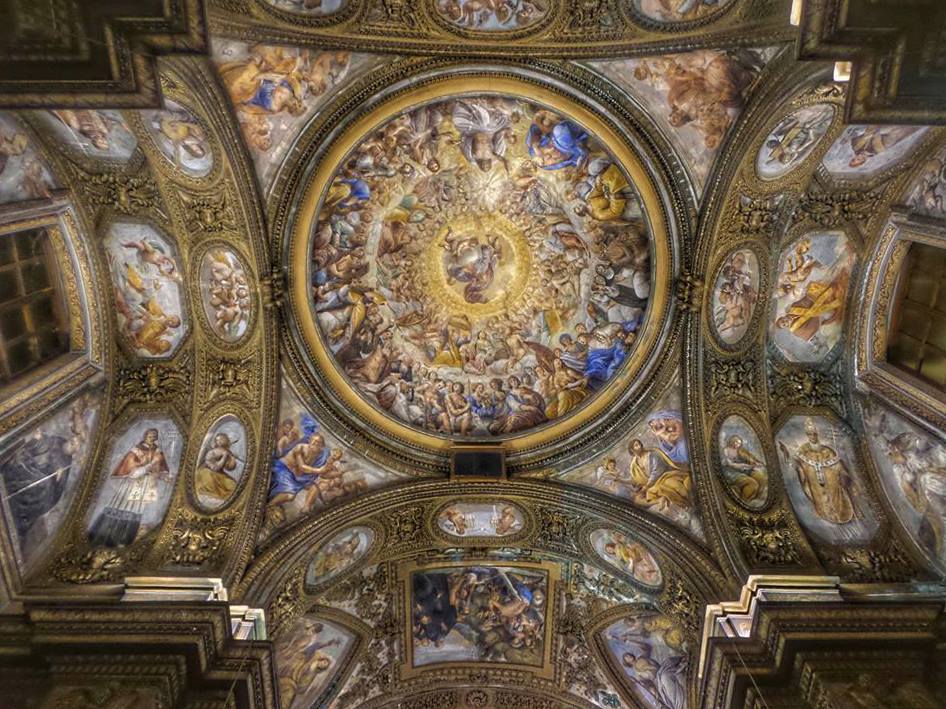
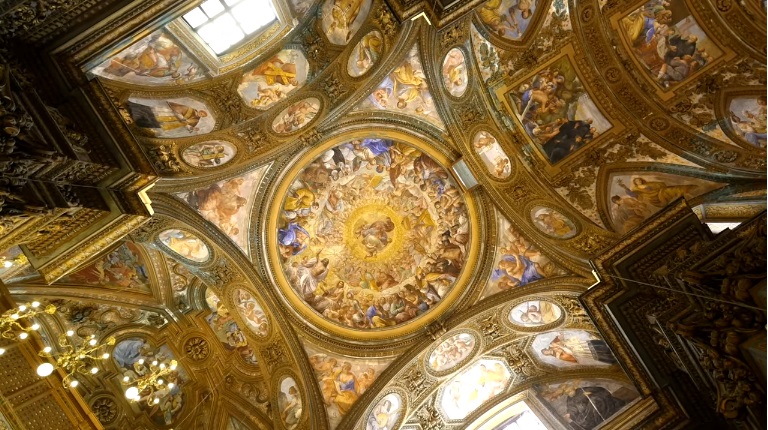
After this dive into the more ancient past of the San Giorgio complex, we can retrace the history of Italian art through the architecture and paintings of the current church, among which we highlight in particular: the Madonna and Child with Saints and a nun praying by Andrea Sabatini (1523), the Martyrdom of Saint George at the head of the altar (17th century), three paintings by Giacinto De Populi, depicting Saint Gregory the Great, the Holy Family with Saint John, the Vision of Saint Nicholas of Bari (1669), the Archangel Michael by Francesco Solimena (1690), the Virtues of Paolo De Matteis (18th century). The bas-reliefs and sculptures of the high altar are also interesting, with mother-of-pearl inlays and polychrome marble.